🎯Basically, this article explains how social media operators can avoid copyright issues.
What Happened
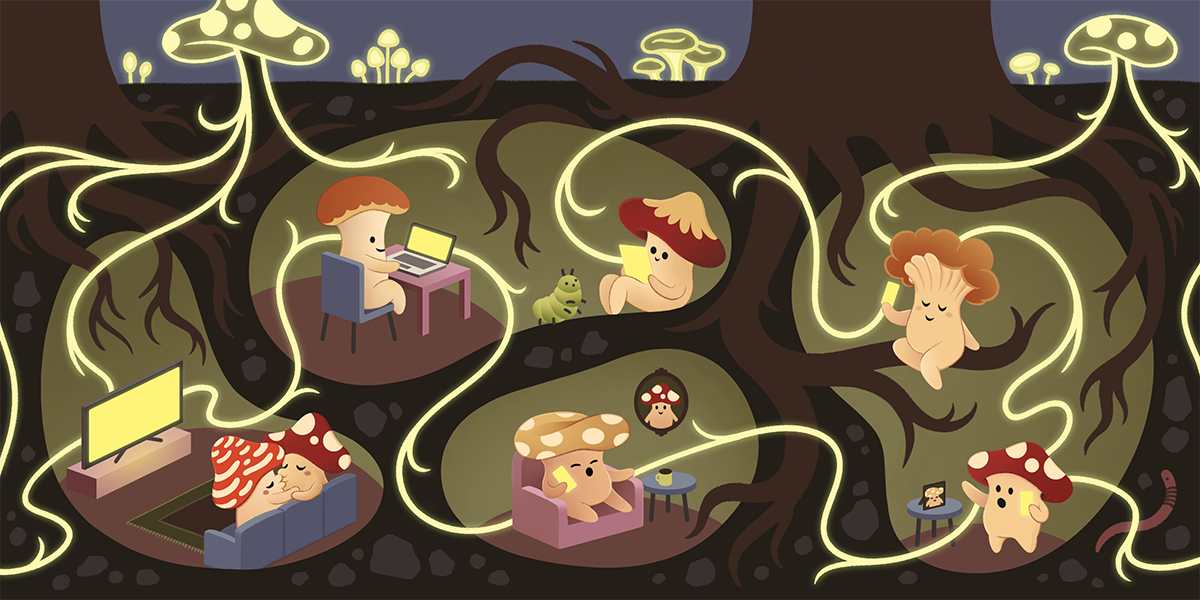
As the decentralized social web evolves, platforms like Mastodon and Bluesky face significant copyright liability risks. Operators of these platforms must understand how to protect themselves from potential legal repercussions when users upload content that may infringe on copyrights.
Why This Matters
Copyright law can impose severe penalties on platform operators if they are found liable for hosting infringing content. The Digital Millennium Copyright Act (DMCA) offers safe harbor provisions that can shield operators from liability, provided they follow specific guidelines. Understanding and implementing these practices is crucial for anyone managing user-generated content.
Limiting Risk with the DMCA Safe Harbors
To qualify for the DMCA's safe harbor protections, operators must take several proactive steps:
-
Designate a Contact for Infringement Notices
Operators must appoint a designated agent to receive copyright infringement notices. This contact information should be easily accessible on the server and registered with the U.S. Copyright Office. -
Respond Promptly to Notices
Upon receiving an infringement notice, operators should act quickly to remove or disable access to the infringing material. This action helps maintain safe harbor protections, as it shows compliance with DMCA requirements. -
Implement a Repeat Infringer Policy
Operators need a clear policy for dealing with repeat infringers. This policy should be documented in the platform's terms of service and enforced consistently. -
Address Known Infringements
If operators are aware of infringing content, they must act to remove it. Ignoring known infringement can jeopardize their safe harbor status. -
Avoid Encouraging Infringement
Platforms should not engage in or promote activities that encourage copyright infringement. This includes avoiding the promotion of content that violates copyright laws.
Conclusion
By following these DMCA best practices, Fediverse operators can significantly reduce their legal exposure to copyright claims. While this guide provides a foundational understanding, consulting with a legal professional is advisable to tailor strategies to specific circumstances and jurisdictions.
The landscape of copyright law is complex, and staying informed is essential for anyone involved in managing user-uploaded content.
🔒 Pro insight: Understanding DMCA provisions is critical for decentralized platforms to mitigate copyright liability effectively.