🎯Basically, a Bluetooth tracker was mailed to a navy ship, revealing its location.
What Happened
In a surprising breach of operational security, the Dutch navy's frigate HNLMS Evertsen was tracked using a Bluetooth device sent through the mail. This incident, reported by Omroep Gelderland, involved a journalist who cleverly concealed the tracker in a postcard, exploiting publicly available mailing instructions from the Dutch Ministry of Defence.
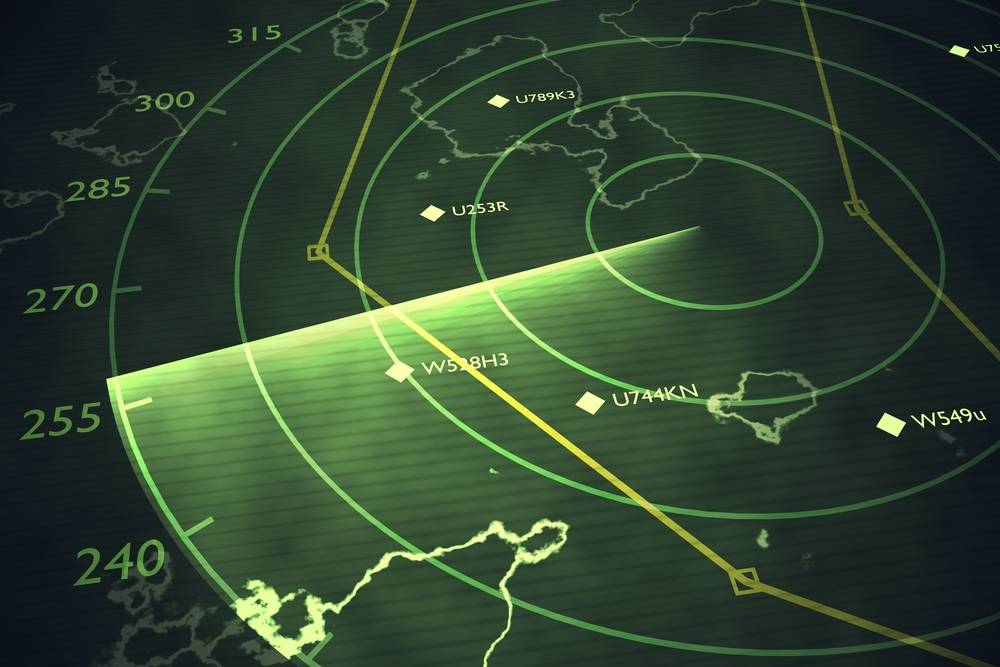
The tracker was active for about 24 hours, allowing the journalist to monitor the frigate's movements as it left port in Heraklion, Crete, and headed towards Cyprus. The device was discovered during mail sorting and was subsequently disabled by officials.
Who's Affected
This incident primarily impacts the Dutch navy and raises concerns about the security protocols surrounding military operations. The exposure of the frigate's location could have serious implications for national security and military strategy.
What Data Was Exposed
The main data exposed was the real-time location of HNLMS Evertsen, which was tracked as it navigated through the Mediterranean Sea. Such information could potentially be exploited by adversaries, putting the ship and its crew at risk.
What You Should Do
For military organizations and other sensitive entities, this incident serves as a critical reminder to reassess operational security measures. Here are some steps to consider: This incident highlights the need for vigilance in operational security, especially in an age where technology can easily be weaponized against military forces. As retired Dutch lieutenant general Mart de Kruif noted, revealing a ship's location can have dire consequences in modern warfare.
Do Now
- 1.Review mailing protocols: Ensure that all mail sent to military personnel is screened for potential security risks.
- 2.Educate personnel: Conduct training sessions on the importance of operational security and the risks associated with seemingly harmless items.
Do Next
🔒 Pro insight: This incident underscores the critical need for military organizations to adapt their operational security practices in the face of evolving technological threats.