🎯Basically, EPIC says a city's use of license plate readers breaks privacy laws.
What Changed
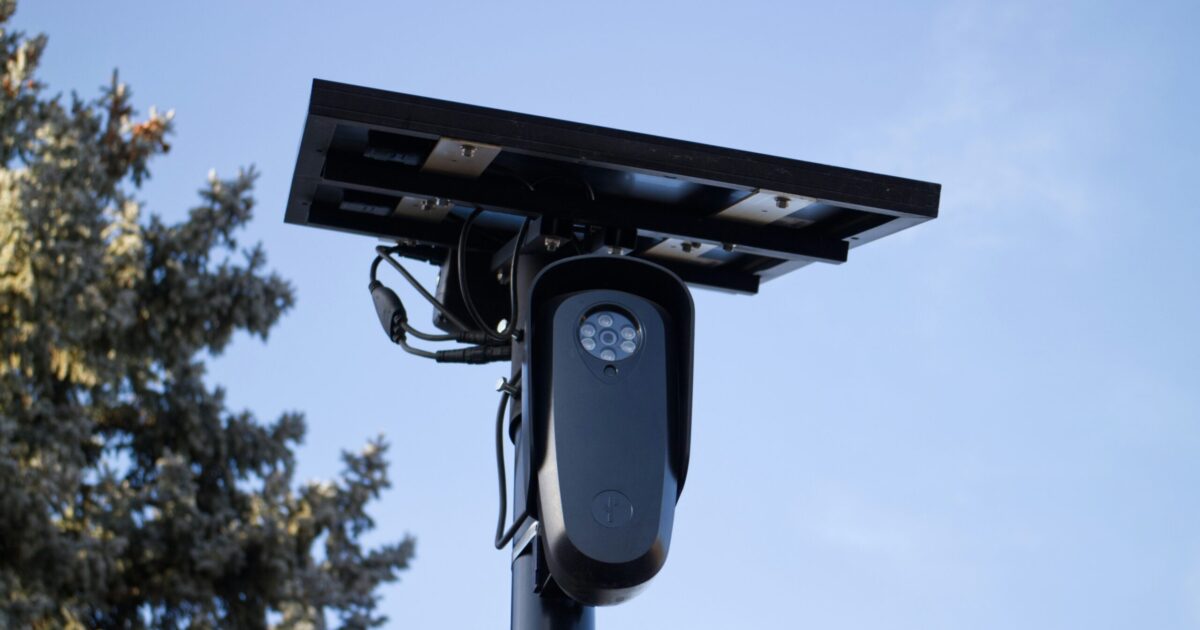
On April 20, 2026, the Electronic Privacy Information Center (EPIC) filed an amicus brief with the Fourth Circuit Court. This brief supports the plaintiffs in the case Schmidt v. City of Norfolk, who claim that Norfolk's use of Flock's Automated License Plate Reader (ALPR) system is unconstitutional. They argue it creates a warrantless mass surveillance program that violates the Fourth Amendment rights of citizens.
How This Affects Your Data
The plaintiffs argue that the ALPR system allows law enforcement to gather extensive data about individuals without a warrant. This data collection can expose the "privacies of life" of everyday people, as it tracks their movements and habits. The brief emphasizes that this type of surveillance can lead to discriminatory practices, particularly against marginalized communities, as the data used often reflects biases that overrepresent poor and minority populations.
Who's Responsible
The city of Norfolk is at the center of this controversy for implementing the Flock ALPR system. EPIC argues that the operation of such a system without strict safeguards revives the arbitrary powers reminiscent of the historical general warrant, which the Fourth Amendment was designed to protect against. The brief calls for the Fourth Circuit to reverse the previous district court's dismissal of the case, asserting that the current practices are unconstitutional.
How to Protect Your Privacy
Citizens concerned about surveillance should advocate for stronger privacy protections. This includes:
Assessment
- 1.Supporting organizations like EPIC that fight against mass surveillance.
- 2.Engaging in community discussions about privacy rights and local law enforcement practices.
Compliance
Conclusion
The outcome of this case could set a significant precedent for how surveillance technologies are used by law enforcement across the country. As more cities adopt ALPR systems, the implications for privacy and civil liberties become increasingly critical. EPIC's brief highlights the urgent need for legal frameworks that protect individuals from unwarranted surveillance and ensure accountability in law enforcement practices.
🔒 Pro insight: This case could redefine legal boundaries for surveillance technologies, emphasizing the need for robust privacy protections in the digital age.