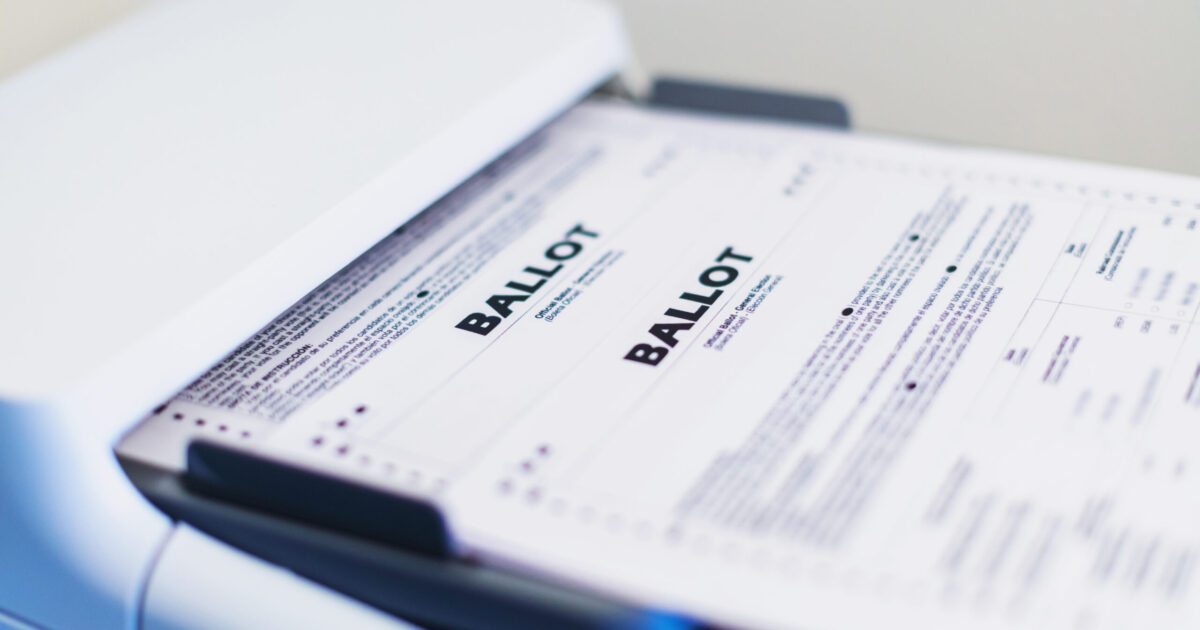
🎯Basically, a group is suing Alaska for sharing private voter info with the government.
What Happened
On April 22, 2026, the Electronic Privacy Information Center (EPIC), along with the ACLU of Alaska and the ACLU Voting Rights Project, filed a lawsuit against the Alaska Division of Elections. This lawsuit challenges the state's decision to share unredacted voter registration lists with the U.S. Department of Justice (DOJ) in December 2025. The plaintiffs argue that this action violates the privacy rights of Alaskan voters.
Why This Matters
The lawsuit stems from a demand made by the DOJ in May 2025, which requested full, unredacted voter rolls from nearly every state. Alaska was one of the few states that complied, agreeing to share sensitive information such as names, birth dates, and social security numbers. This decision raises significant concerns about voter privacy and the potential for identity theft or voter disenfranchisement.
Who's Affected
The plaintiffs in the lawsuit include the League of Women Voters of Alaska and the Alaska Black Caucus, both of which emphasize that protecting voter information is crucial for maintaining trust in the electoral process. The actions of the Alaska Division of Elections could affect all registered voters in the state, exposing their personal information to misuse.
Legal Arguments
The lawsuit claims that the Alaska Division of Elections' actions violate the constitutional rights of voters. The Memorandum of Understanding (MOU) signed by the state further complicates matters, as it not only allowed for the sharing of sensitive information but also required the state to “clean” its voter list under DOJ's direction. This could lead to unlawful disenfranchisement of voters, particularly those from marginalized communities.
Responses from Advocates
Advocates from the ACLU and other organizations have voiced their concerns regarding this issue. Marianne Mills, Co-President for the League of Women Voters of Alaska, stated, “Protecting voters’ confidential information is a non-partisan issue.” The Alaska Black Caucus echoed this sentiment, highlighting that such actions undermine democracy by risking disenfranchisement.
What Happens Next
The plaintiffs are seeking a court order to:
- Destroy the DOJ's copies of the shared voter registration list.
- Void the MOU that allowed the sharing of this information.
- Prevent any further transmission of unredacted voter data to the DOJ.
This lawsuit could set a significant precedent regarding the handling of voter information and the extent of government oversight in electoral processes. As the case unfolds, it will be crucial to monitor how it impacts voter privacy rights across the nation.
🔒 Pro insight: This case highlights the ongoing tension between state compliance with federal requests and the protection of voter privacy rights.