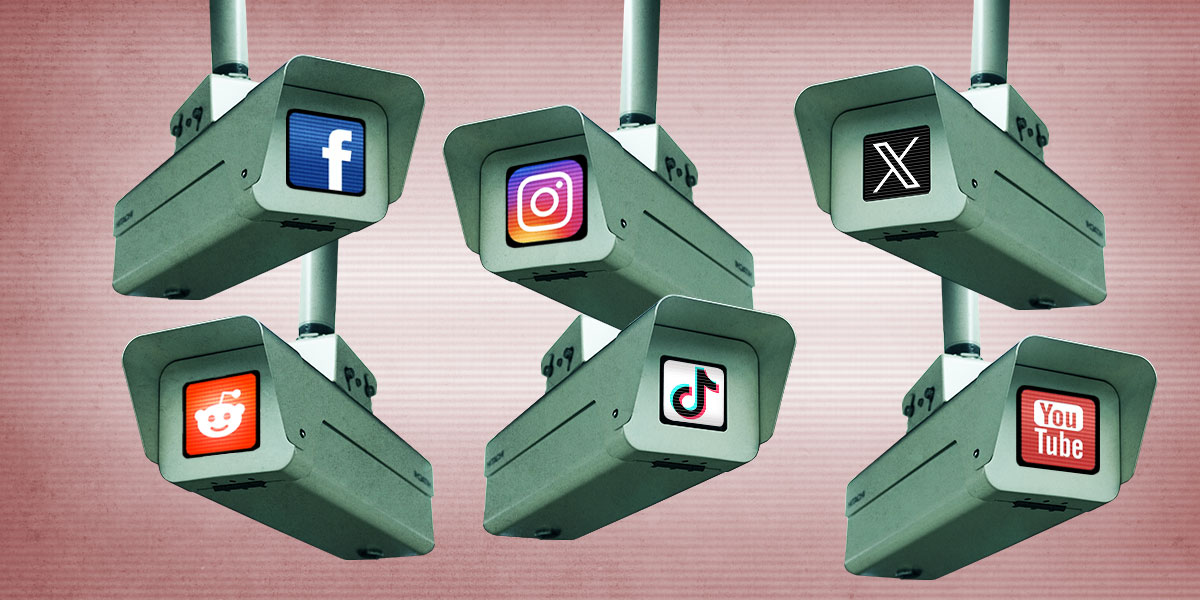
🎯Basically, House Republicans want to create a law to protect people's online privacy.
What Changed
On April 22, 2026, House Republicans introduced the Secure Data Act, a comprehensive privacy bill aimed at enhancing digital privacy protections for Americans. This legislation allows consumers to opt out of data collection by businesses, particularly for targeted advertising and third-party sales. It mandates that companies inform consumers about data collection and provides parents with rights over their teenagers' data.
How This Affects Your Data
The Secure Data Act emphasizes consumer control over personal data. It requires businesses to limit data collection to what is necessary and to disclose any third parties involved in data sharing. Additionally, the Federal Trade Commission (FTC) would gain more authority to oversee data brokers, ensuring they comply with new data minimization and security mandates.
Who's Responsible
The bill, led by Brett Guthrie and John Joyce, reflects feedback from over 170 organizations and aims to establish enforceable protections for consumers. However, the drafting process did not include Democratic members, which may hinder bipartisan support. Critics argue that the bill could weaken existing state privacy laws and lacks robust protections against AI-related privacy issues.
How to Protect Your Privacy
While the Secure Data Act represents a step towards better privacy protections, individuals should remain vigilant. Here are some steps you can take:
Assessment
- 1.Review Privacy Policies: Always check the privacy policies of services you use.
- 2.Opt-Out Options: Utilize any available opt-out options for data collection.
Compliance
Conclusion
The Secure Data Act is a significant move towards enhancing privacy rights in the digital age. However, its effectiveness will depend on bipartisan support and the ability to address concerns raised by privacy advocates. As the legislative process unfolds, consumers should stay informed and proactive about their data privacy rights.
🔒 Pro insight: The Secure Data Act's potential preemption of state laws may spark significant debate over consumer protections in the digital landscape.