🎯Imagine a group of people who pay to make websites crash. Authorities from many countries worked together to catch some of these people and shut down their websites, helping to protect others from being attacked.
What Happened
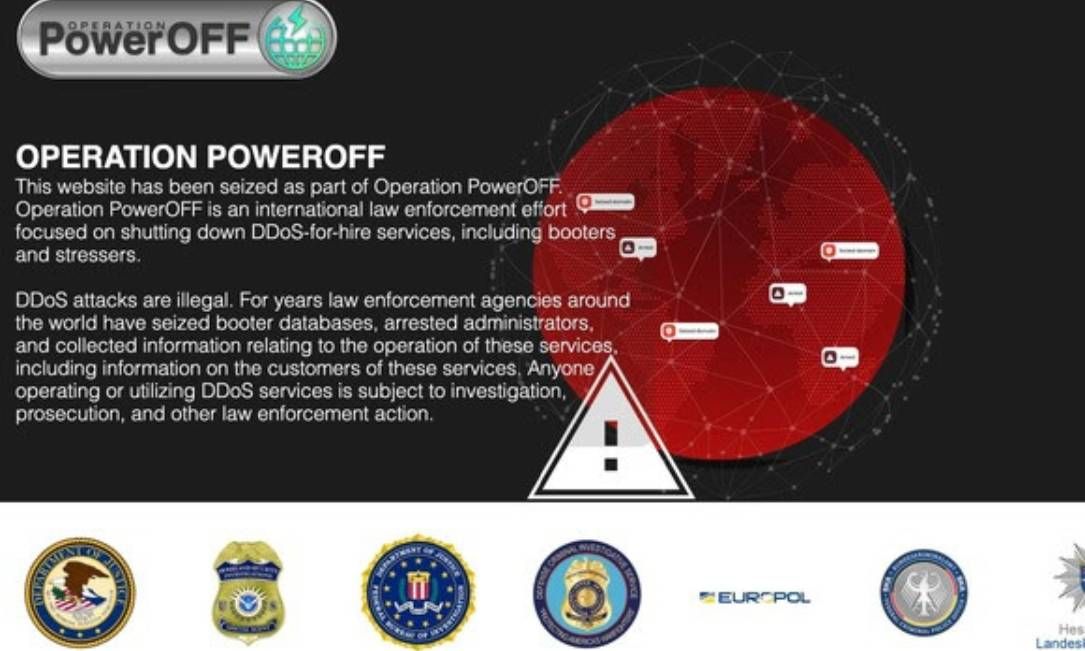
In a major crackdown on DDoS-for-hire services, authorities from 21 countries executed a coordinated operation dubbed "Operation PowerOFF." This initiative resulted in the arrest of four individuals and the seizure of 53 domains associated with platforms providing access to distributed denial-of-service (DDoS) attacks. Europol reported that these services had been used by more than 75,000 cybercriminals globally.
Who's Affected
The operation targeted a wide range of victims, including schools, government agencies, gaming platforms, and critical infrastructure. The DDoS services have been linked to attacks on various sectors, rendering legitimate services inaccessible and causing significant disruption.
What Data Was Exposed
Law enforcement agencies managed to extract data from seized databases that included information on over 3 million alleged criminal user accounts. This data was instrumental in sending more than 75,000 warning emails and letters to individuals involved in DDoS-for-hire activities, urging them to cease their operations.
What You Should Do
Experts recommend that organizations enhance their cybersecurity measures to protect against potential DDoS attacks. This includes implementing robust network monitoring systems and considering DDoS mitigation services to shield against such threats.
Ongoing Efforts
The operation is part of a broader, ongoing effort to dismantle the infrastructure supporting DDoS-for-hire services, which have proliferated due to their low barrier to entry. Authorities have removed over 100 URLs from search engine results advertising these services and created targeted ads aimed at discouraging young people from engaging with DDoS tools. The operation has also seen a focus on IP stressors, which are commonly used by cybercriminals to flood websites and networks with malicious traffic.
Motivations Behind DDoS Attacks
Europol noted that motivations for these attacks can vary widely, ranging from curiosity and ideological purposes linked to hacktivism to financial gain through extortion or disrupting competitors' services. The accessibility of DDoS-for-hire tools, often accompanied by tutorials, has made it easier for non-technical individuals to initiate attacks.
Conclusion
Despite years of efforts to combat the DDoS-for-hire industry, the services continue to thrive, highlighting the need for ongoing vigilance and enhanced cybersecurity strategies across all sectors.
The international collaboration in Operation PowerOFF underscores the growing recognition of the DDoS-for-hire threat and the necessity for coordinated law enforcement efforts to combat cybercrime effectively.