🎯Basically, the SEC is making companies report cybersecurity issues more clearly to protect investors.
What Happened
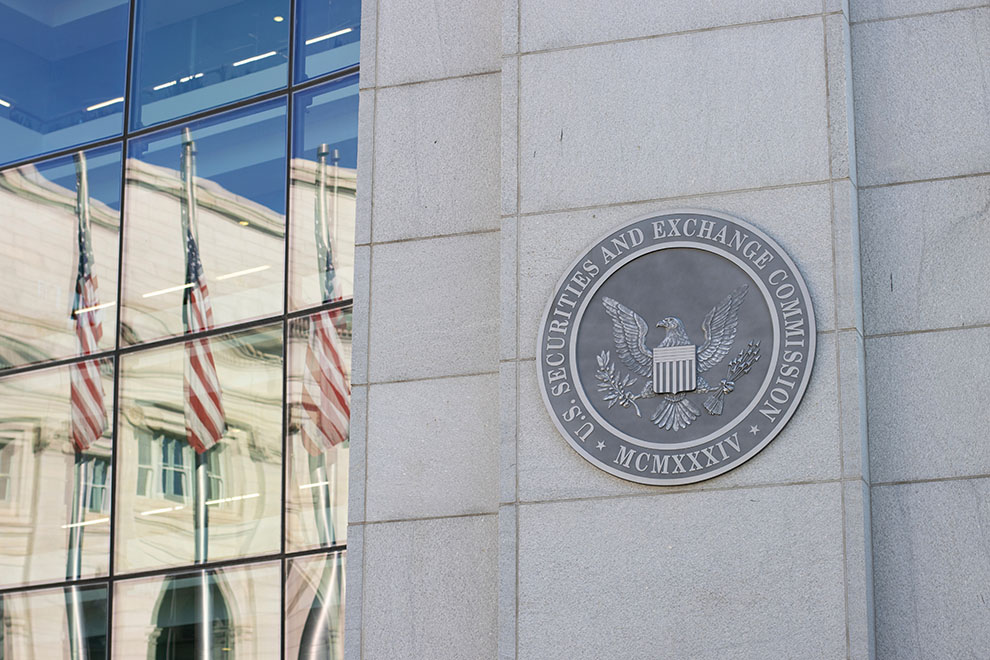
The Securities and Exchange Commission (SEC) has rolled out new rules regarding the reporting of cybersecurity risks and incidents for public companies. These regulations aim to enhance transparency and ensure that organizations are prepared to handle the growing complexity of cyber threats. The SEC's initiative is a response to the increasing sophistication of cyberattacks that can jeopardize investor interests.
Who's Affected
Publicly traded companies are the primary entities affected by these new regulations. This includes a wide range of industries that must now ensure compliance with the SEC's reporting requirements. Security leaders and compliance specialists within these organizations play a crucial role in adapting to these changes.
What Changed
The SEC requires companies to report significant cybersecurity incidents through incidental disclosures, typically via Form 8-K, within four business days of determining materiality. Materiality is defined as any incident that shareholders would consider important for making investment decisions. Additionally, companies must disclose their cybersecurity risk management strategies in their annual reports, such as Form 10-K, detailing the oversight by management and the board of directors.
Risk Assessment Requirements
Organizations must conduct thorough risk assessments, considering various factors like operational risks, intellectual property theft, and potential harm to customers. The SEC emphasizes the importance of understanding potential threats to ensure robust cybersecurity governance.
Management's Role in Cybersecurity
The disclosures must also clarify which teams or individuals are responsible for managing cybersecurity risks. This includes detailing the existence of a Chief Information Security Officer (CISO) and the processes in place for monitoring and mitigating incidents. Such clarity helps investors gauge how seriously a company takes its cybersecurity responsibilities.
Structured Data Requirements
To facilitate better access to this information, the SEC mandates that disclosures be filed using the EDGAR system and tagged with Inline XBRL. This structured approach makes it easier for investors and regulators to compare cybersecurity disclosures across different companies.
What You Should Do
Organizations must invest in enhancing their cybersecurity risk assessment and governance practices to comply with these new SEC regulations. Staying informed about these evolving requirements is essential for maintaining compliance and protecting both the organization and its investors. Security leaders should prioritize developing clear reporting protocols and ensure that all relevant personnel are trained in these new requirements.
By adhering to these guidelines, companies can not only fulfill their regulatory obligations but also strengthen their overall cybersecurity posture in a rapidly changing threat landscape.
🔒 Pro insight: The SEC's rules reflect a growing recognition of cybersecurity as a critical component of corporate governance, necessitating proactive risk management strategies.