🎯Basically, the OWASP SPVS helps make software safer throughout its development process.
What Happened
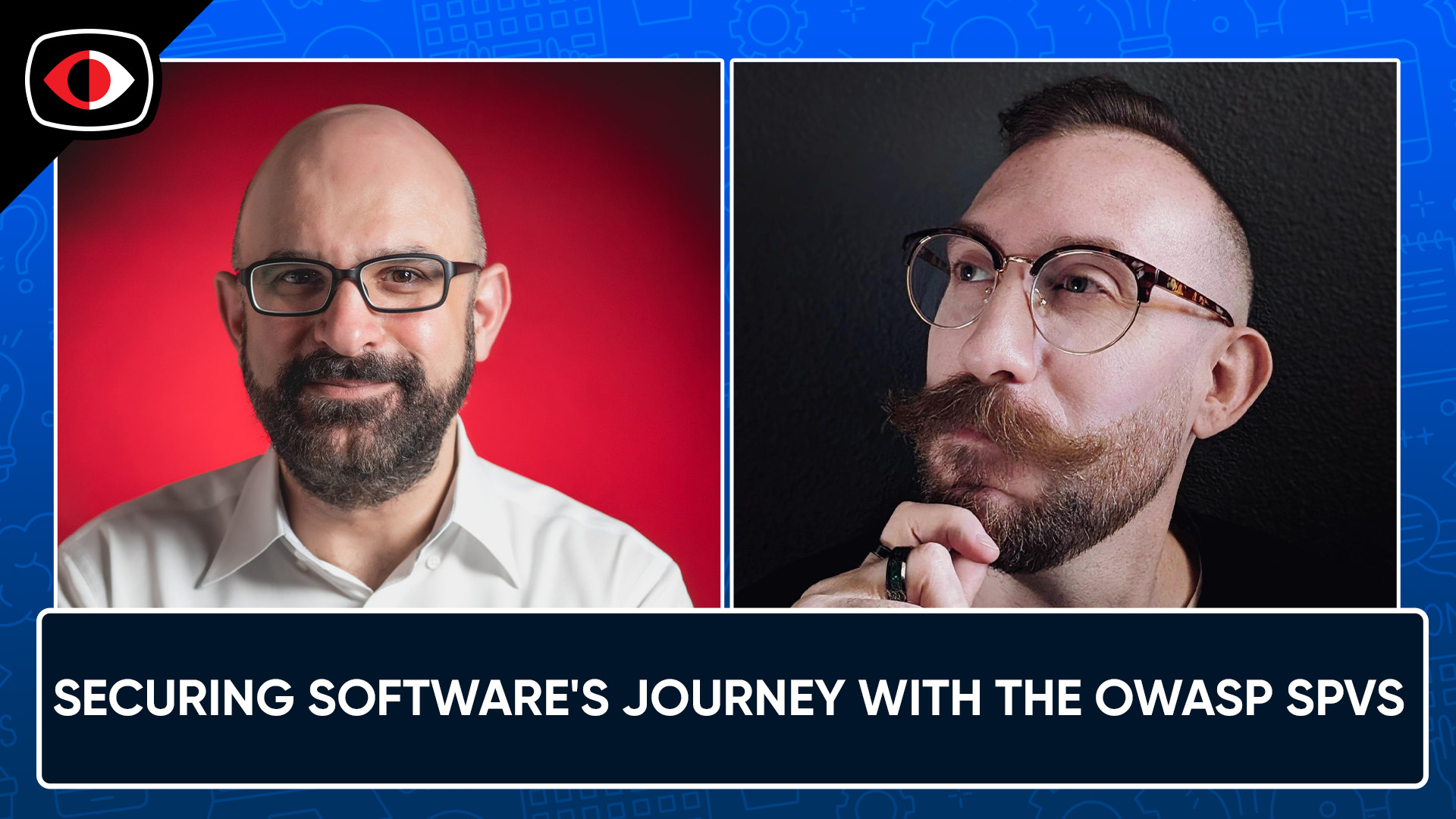
The OWASP Secure Pipeline Verification Standard (SPVS) is a new initiative aimed at improving software security throughout its lifecycle. Farshad Abasi and Cameron Walters discussed how SPVS builds on the Application Security Verification Standard (ASVS) and complements other frameworks like SLSA. The update includes specific guidelines for addressing security in the context of Generative AI.
Why It Matters
In today’s fast-paced software development world, simply writing secure code isn't enough. The entire process—from design to release—needs to be secure. The SPVS aims to ensure that software is not only built securely but also maintained and tested effectively against evolving threats, especially in supply chain contexts.
Key Features of SPVS
The OWASP SPVS focuses on several critical areas:
Integration with existing standards:
AI considerations:
Community involvement:
Impact on Software Development
For developers, the SPVS provides a structured approach to embedding security into their workflows. This is essential as attackers increasingly target vulnerabilities in software supply chains. By adhering to SPVS, organizations can better defend against potential breaches and ensure their software products are resilient against attacks.
How to Get Involved
If you are involved in software development or security, consider contributing to the OWASP SPVS project. Your feedback can help shape the future of secure software practices. Check out the resources available on the OWASP website for more information on how to participate.
Conclusion
The OWASP SPVS represents a significant step forward in securing software development processes. By focusing on comprehensive security measures that include AI and supply chain considerations, it aims to create a safer software environment for everyone involved in the development lifecycle.
🔒 Pro insight: The integration of AI considerations in SPVS is a pivotal move, reflecting the industry's shift towards AI-driven development and its associated security challenges.