🎯Hackers linked to Russia tried to break into a power plant in Sweden, but they failed because the plant had strong security. This shows that hackers are now trying to cause real damage instead of just making websites go offline.
What Happened
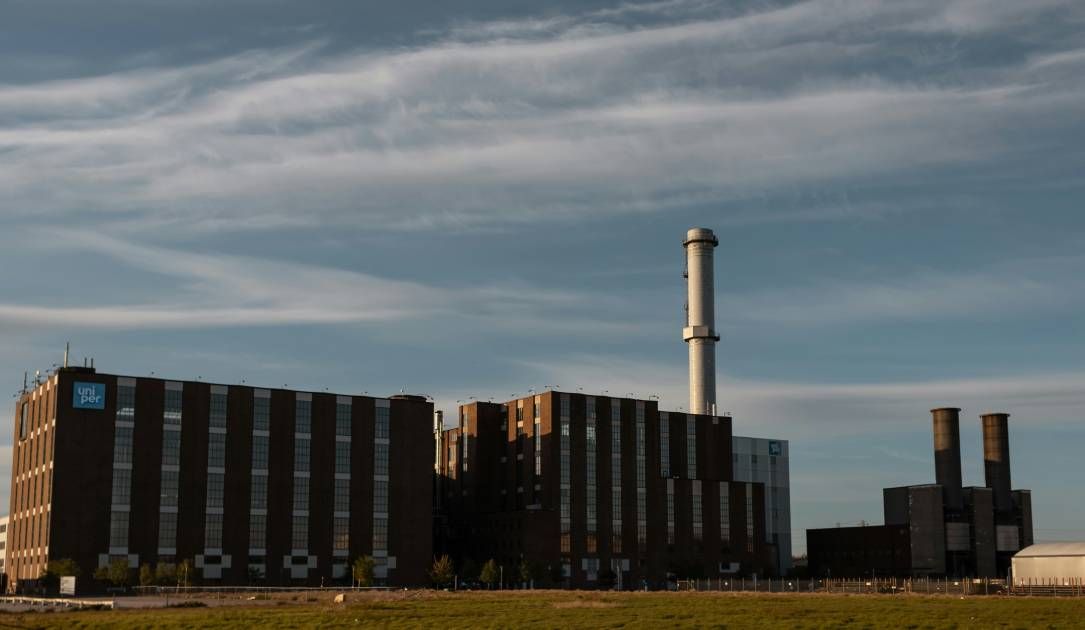
In early 2025, a suspected pro-Russian hacker group attempted to breach the Öresundsverket thermal power plant in Malmö, operated by Uniper. The intrusion was thwarted due to the facility’s robust security measures, as confirmed by Carl-Oskar Bohlin, Sweden’s minister for civil defense, during a recent press conference. This incident is part of a broader pattern of cyber threats against critical infrastructure in Europe, particularly against nations supporting Ukraine.
Who's Affected
While the specific power plant targeted has not been publicly named, the incident underscores the risks faced by energy facilities across Europe. Sweden's security service has identified the suspected hackers as having connections to Russian intelligence, indicating a coordinated effort to undermine critical services.
What's at Risk
The attack targeted operational technology (OT) systems, which are essential for controlling physical infrastructure such as power plants and water facilities. Bohlin warned that successful disruptions could have severe societal consequences, echoing previous attacks on similar infrastructures in Poland and Ukraine. Notably, Poland's power grid was recently targeted by the Russian-linked group Sandworm, which employed data-wiping malware to potentially incapacitate power services for hundreds of thousands.
Patch Status
Currently, there are no specific patches or updates required for the incident itself, as the attack was unsuccessful. However, the ongoing threat emphasizes the need for robust cybersecurity measures across all critical infrastructure sectors.
Immediate Actions
Organizations operating critical infrastructure should review and strengthen their cybersecurity protocols, particularly focusing on OT systems. Regular training and awareness programs for staff can also help mitigate risks associated with such cyber threats.
Emerging Trends
Bohlin remarked that the tactics employed by pro-Russian hacker groups are evolving from denial-of-service attacks to more destructive cyber operations aimed at causing real-world disruptions. This shift indicates a more aggressive posture by these groups, reflecting a broader trend of hybrid attacks that extend beyond traditional cyberspace.
Conclusion
As cyber threats continue to escalate, particularly from Russian-linked groups, it is imperative for nations and organizations to bolster their defenses against potential intrusions targeting critical infrastructure. The Swedish incident serves as a stark reminder of the vulnerabilities that exist within essential services and the need for vigilance in cybersecurity practices.
The attempted attack on Sweden's thermal power plant underscores the growing sophistication and boldness of cyber threats against critical infrastructure, particularly from state-linked actors.