Malware & RansomwareMEDIUM

Malware Attacks: Not as Sophisticated as You Think

Featured image for Malware Attacks: Not as Sophisticated as You Think
HNHuntress Blog
malwarecybersecuritythreat actors
🎯

Basically, some hackers make simple mistakes that help stop their attacks.

Quick Summary

Some malware attacks aren't as clever as you think. Many hackers make simple mistakes that help defenders stop them. By understanding these errors, you can improve your own security measures.

What Happened

You might think that all hackers are highly skilled professionals, but that’s not always the case. Many malware attacks are surprisingly unsophisticated, often due to simple errors made by the attackers themselves. This post dives into how these blunders can help defenders thwart attacks before they cause any real damage.

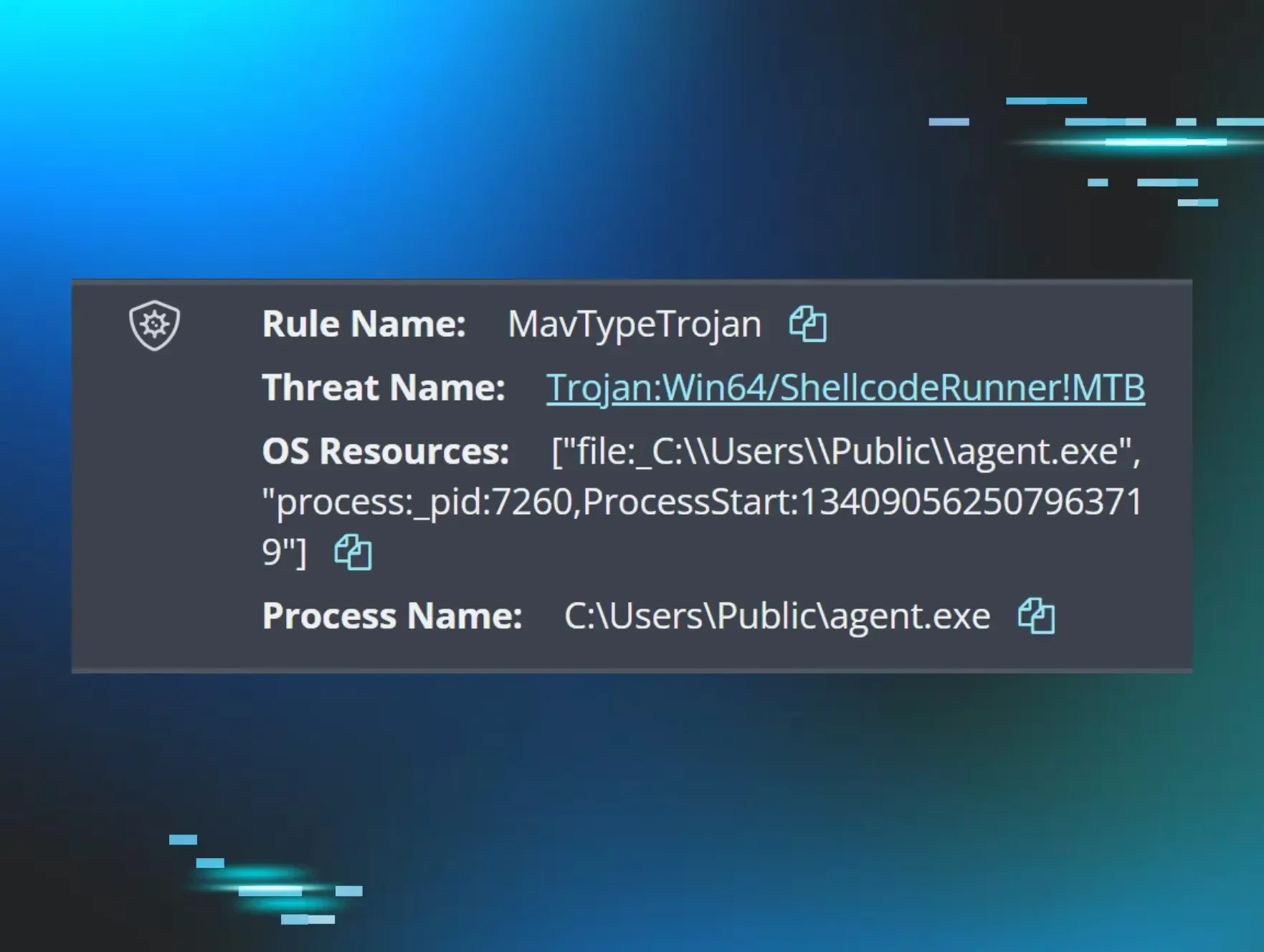
In the world of cybersecurity, there’s a common misconception that all threat actors possess advanced technical skills. However, many attacks are executed with basic tools and techniques. For instance, attackers might use malware that is poorly coded or filled with typos, making it easier for security systems to detect and block them. This reveals a critical gap in the perception of threat actors' capabilities.

Why Should You Care

Understanding the nature of these unsophisticated attacks can empower you to take better precautions. If you think hackers are always clever, you might underestimate the importance of basic security measures. Just like locking your front door can deter a burglar, simple cybersecurity practices can protect your data from these less-skilled attackers.

The key takeaway here is that you don’t need to be a tech genius to defend against cyber threats. By implementing basic security protocols, you can significantly reduce your risk of falling victim to malware. Remember, even the most basic defenses can stop a poorly executed attack.

What's Being Done

Experts in cybersecurity are constantly analyzing these unsophisticated attacks to improve defense strategies. Organizations are focusing on enhancing their detection systems to catch even the simplest forms of malware. Here are some actions you can take right now:

  • Regularly update your software to patch vulnerabilities.
  • Use strong, unique passwords for all your accounts.
  • Educate yourself and your team about common cyber threats and how to recognize them.

Experts are watching for trends in how attackers adapt to these defenses. As they become aware that their unsophisticated methods are being thwarted, they may try to evolve their tactics. Stay informed and proactive to keep your systems secure.

🔒 Pro insight: The prevalence of unsophisticated malware highlights the need for continuous education on basic cybersecurity practices among users.

Original article from

Huntress Blog

Read Full Article

Related Pings

HIGHMalware & Ransomware

Malware Alert - Google Implements 24-Hour Wait for Sideloading

Google has introduced a 24-hour wait for sideloading unverified apps to combat rising malware threats. This change is crucial for Android users' safety. Developers express concerns about barriers to entry amid these security measures.

The Hacker News·
HIGHMalware & Ransomware

LeakNet Ransomware - What You Need to Know Now

LeakNet, a ransomware gang posing as journalists, is using fake CAPTCHA pages to trick employees into compromising their security. Organizations need to be aware of this tactic to protect sensitive data.

Graham Cluley·
HIGHMalware & Ransomware

Speagle Malware - Hijacks Cobra DocGuard to Steal Data

A new malware named Speagle is targeting Cobra DocGuard, stealing sensitive data through compromised servers. Organizations using this software are at high risk. Immediate action is needed to secure systems and prevent data theft.

Cyber Security News·
HIGHMalware & Ransomware

GSocket Backdoor - Malicious Bash Script Discovered

A malicious Bash script has been discovered that installs a GSocket backdoor on victims' computers. This poses a significant risk as the source and delivery method remain unknown. Users should be vigilant and avoid executing untrusted scripts.

SANS ISC·
HIGHMalware & Ransomware

DDoS Botnets Disrupted - International Action Taken

International authorities have disrupted major DDoS botnets targeting IoT devices. Millions of devices were compromised, causing significant service disruptions. This operation aims to prevent future attacks and protect critical infrastructure.

BleepingComputer·
HIGHMalware & Ransomware

DDoS Botnets Disrupted - Aisuru and Kimwolf Targeted

An international operation has disrupted major DDoS botnets Aisuru and Kimwolf, impacting over 3 million devices. This highlights the ongoing threat of IoT botnets and the need for robust security measures.

SecurityWeek·