🎯Basically, a new tool can sneakily access private data on Windows 11's Recall feature.
What Happened
Microsoft's Recall feature, designed to help users track their PC activities, has been found to have significant security vulnerabilities. Originally launched with the Copilot+ Windows PCs, Recall was intended to enhance user experience through AI and machine learning. However, its implementation raised privacy concerns due to unencrypted data storage.
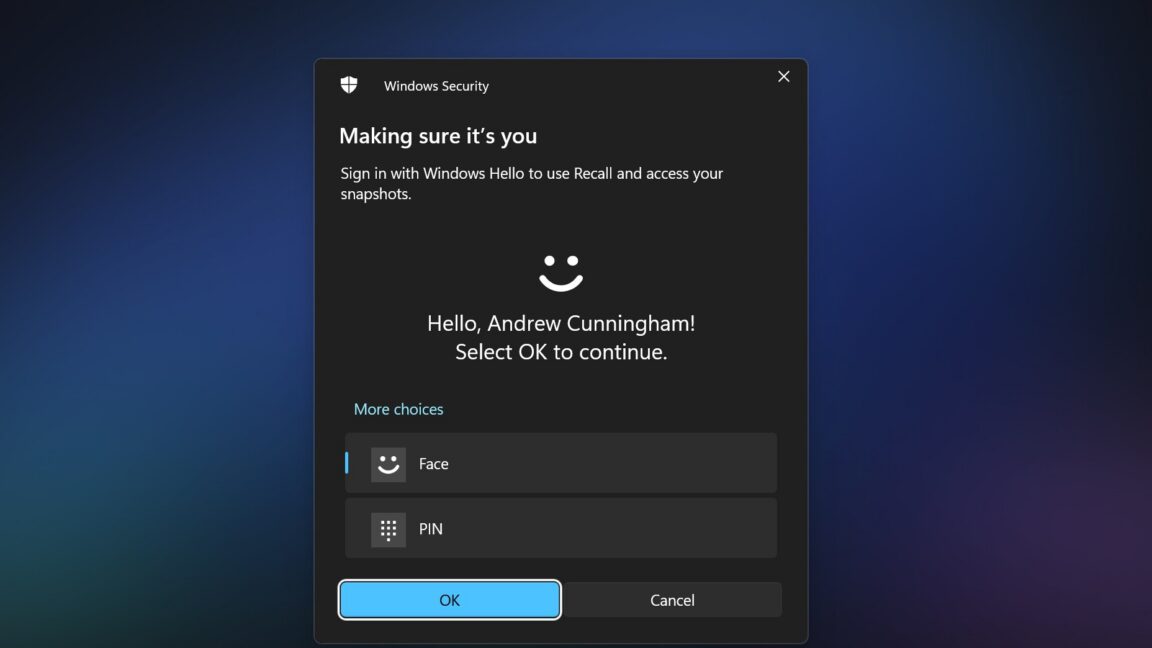
After scrutiny from security researchers, Microsoft made improvements, including encrypting locally stored data and requiring Windows Hello for access. Despite these enhancements, security researcher Alexander Hagenah discovered additional vulnerabilities with his tool, TotalRecall Reloaded.
The Flaw
The core issue lies not within the Recall database itself, which Hagenah describes as “rock solid,” but with the process AIXHost.exe that handles Recall data. Once a user authenticates via Windows Hello, AIXHost.exe receives Recall data without the same security measures in place. This oversight allows the TotalRecall Reloaded tool to intercept sensitive information, including screenshots and metadata, even after the Recall session is closed.
What's at Risk
Anyone with access to a PC and the user's Windows Hello fallback PIN can potentially exploit this vulnerability. This could lead to unauthorized access to a wealth of personal information, such as emails, messages, and web activity. The risk is exacerbated by the fact that the Recall feature records extensive user activity, which could be detrimental if accessed by malicious actors.
Microsoft’s Response
Microsoft has classified Hagenah's findings as “not a vulnerability,” asserting that the access patterns are consistent with intended protections. They emphasized that the system has timeout and anti-hammering protections to limit malicious queries. However, this stance has raised concerns among security experts who believe that the potential for misuse remains significant.
What You Should Do
For users concerned about their privacy and security, it is advisable to:
Containment
- 1.Disable Recall: Turn off the Recall feature in Windows settings to prevent data collection.
- 2.Use Strong Authentication: Ensure that your Windows Hello PIN is strong and not easily guessable.
Remediation
Conclusion
While Microsoft has made strides in improving the Recall feature's security, the discovery of vulnerabilities by TotalRecall Reloaded highlights ongoing risks. Users should remain vigilant about the data being recorded and consider disabling features that may compromise their privacy.
🔒 Pro insight: The exposure of AIXHost.exe represents a significant oversight in Windows 11's security architecture, warranting immediate user awareness and potential feature re-evaluation.